History
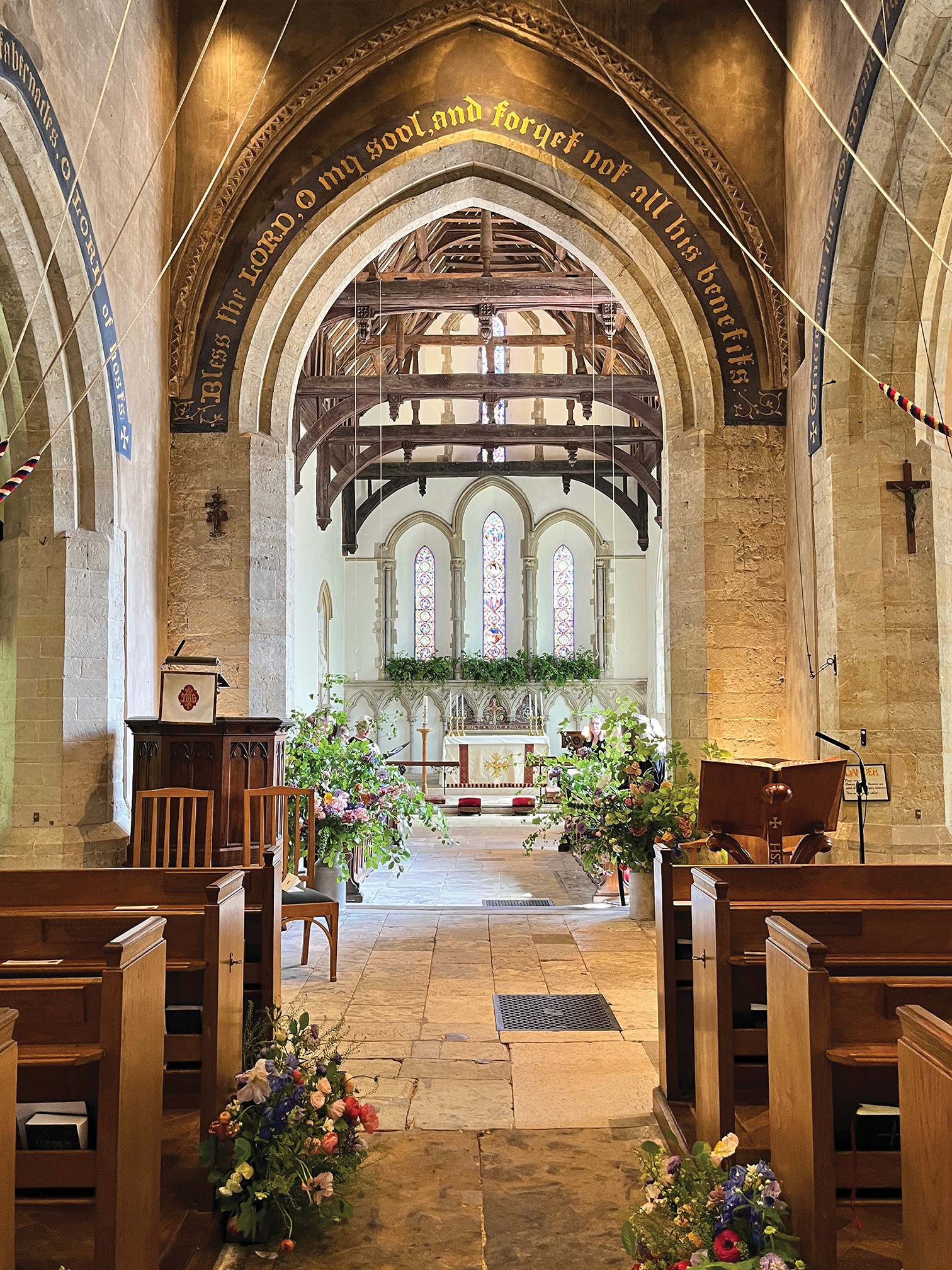
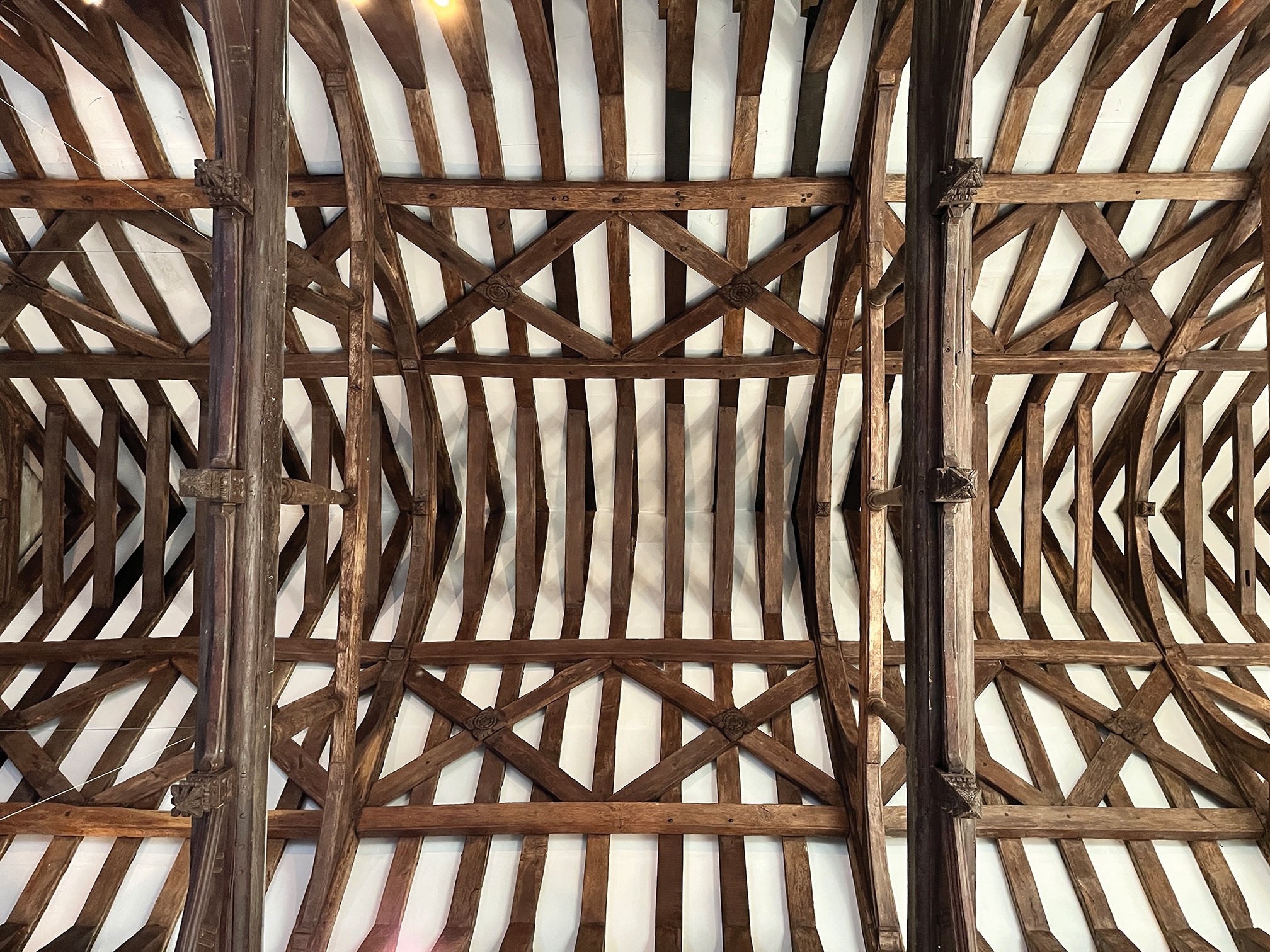
This is most evident in the magnificent timberwork of the chancel roof, which consists of two layers of tie-beams and bears the date 1577, together with a carved Tudor rose. It is reminiscent of the roof of a great house, such as Wiston near Steyning, which was built in 1576. But the rebuilding also included the nave roof and the belfry floor of the tower, and extensive remodelling of the crossing and the aisles.
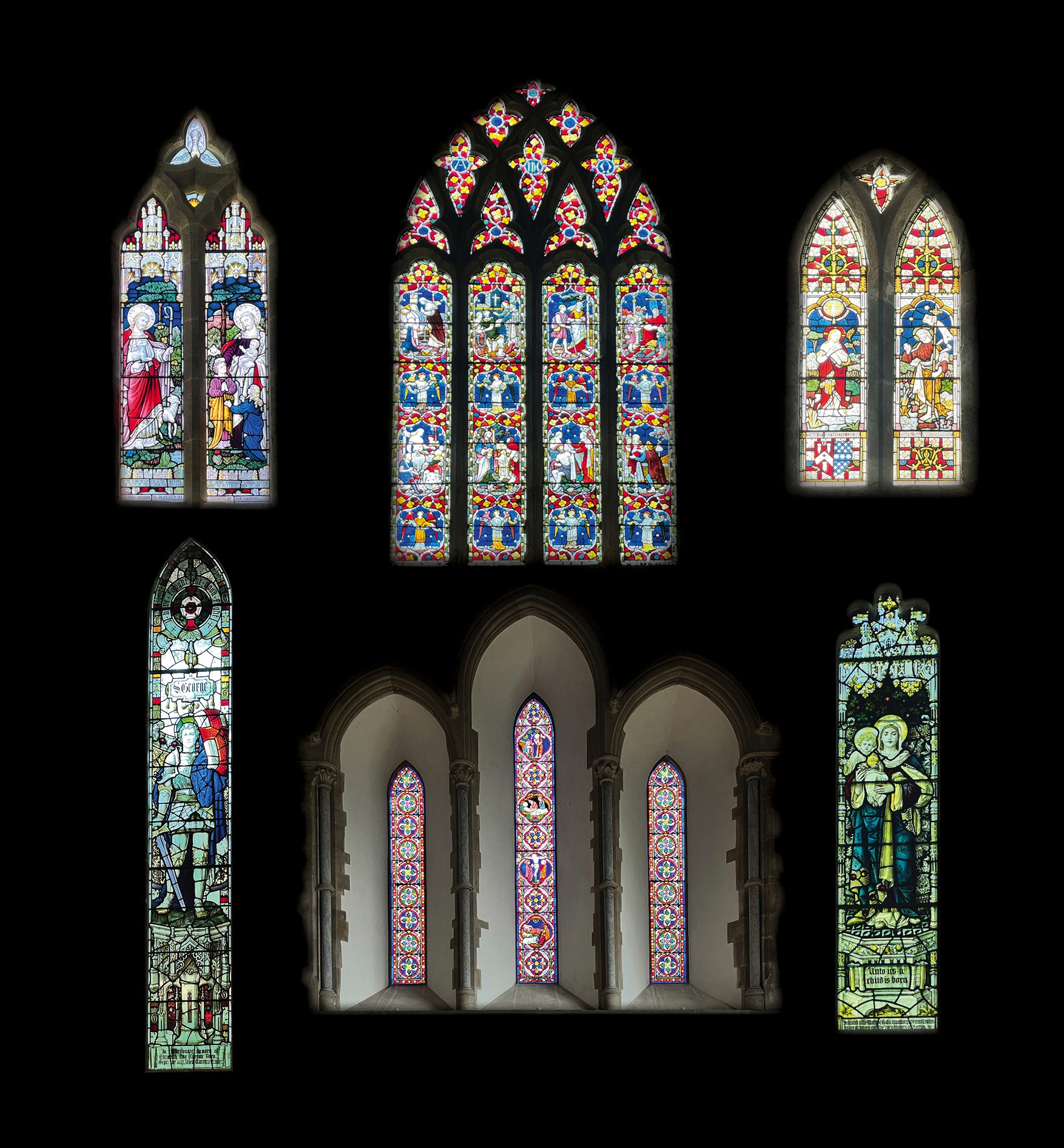
The work was inspired by the wider Gothic Revival and the principles of the Cambridge Camden Society and was undertaken by the architects Sir George Gilbert Scott and Benjamin Ferrey. It also included the installation of stained glass in a number of windows, notably the west window – which is the work of Clayton and Bell and depicts the seven acts of mercy as described by Christ in Matthew Chapter 25.
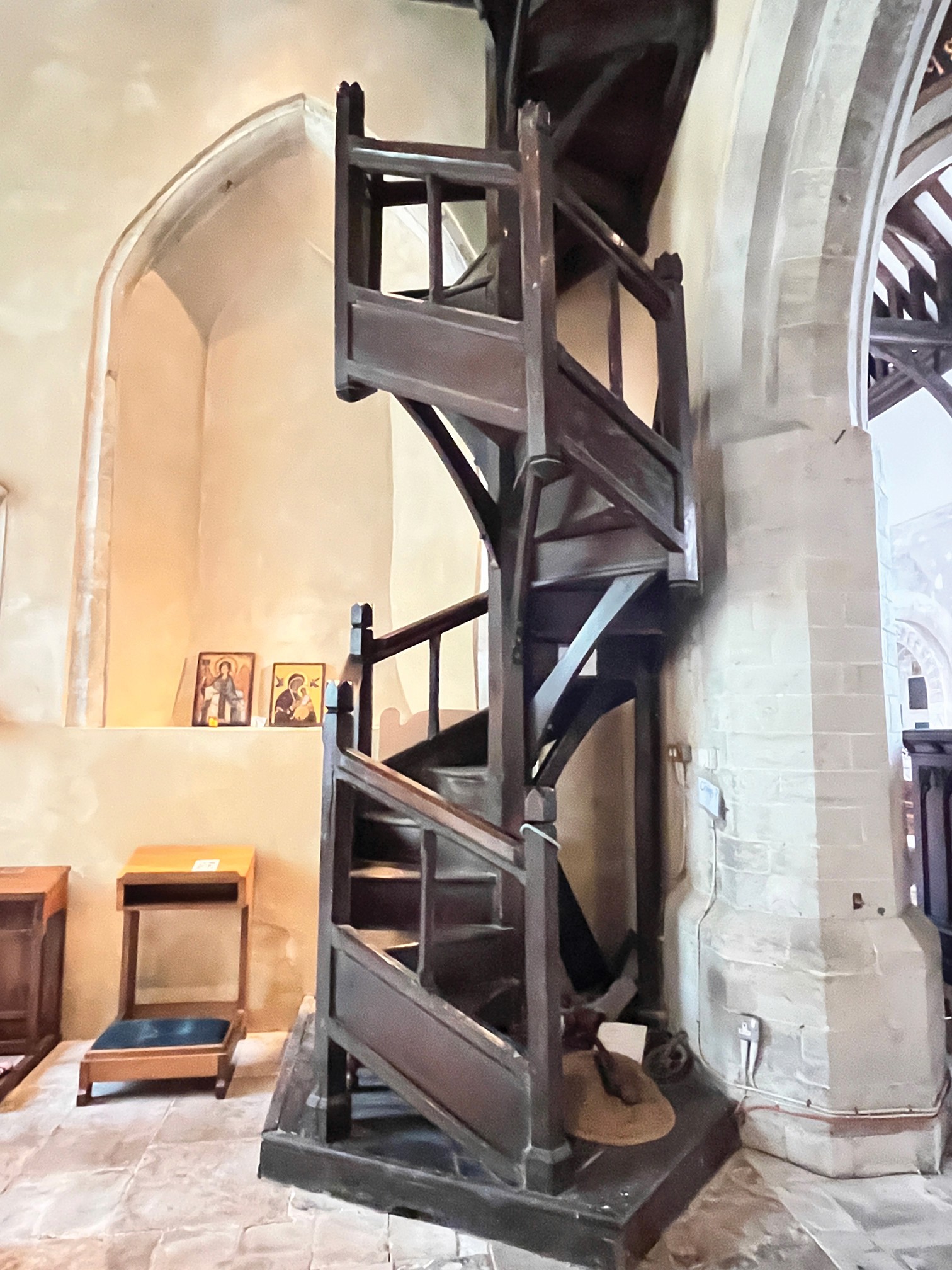
Mention should also be made of the wooden spiral staircase in the north transept, which was the work of Thomas Blackmore, the Uppark Estate carpenter. Blackmore is reputed to have searched acres of woodland for an oak tree suitable for the central post, and the conception and detail of his design is exceptional, showing the Victorians (in the words of Ian Nairn) ‘at their most ingenious, and hence most truly Gothic’.
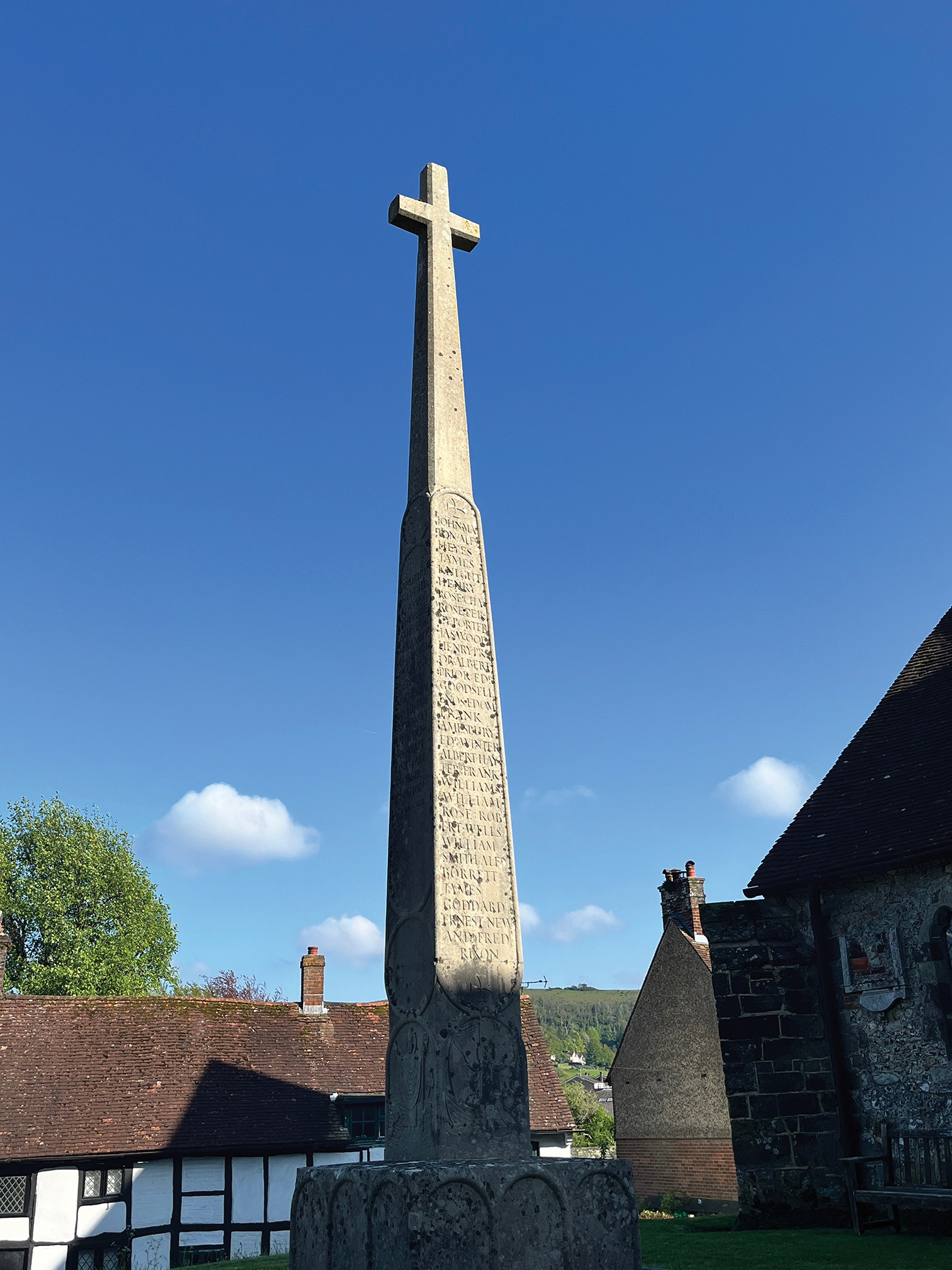
The twentieth century also left its mark on the church, notably in the form of the War Memorial, which was designed by Eric Gill and dedicated in 1921. Its distinctive form is similar to that of Gill’s memorial for Trumpington Church in Cambridge. In the 1960’s new pews were installed, replacing the darkly varnished deal ones which had, in turn replaced the box pews. In more recent times, a large church room was built on the south side of the nave and dedicated in memory of Admiral Sir Horace Law.
© 2026 Friends of Harting Church